Featured

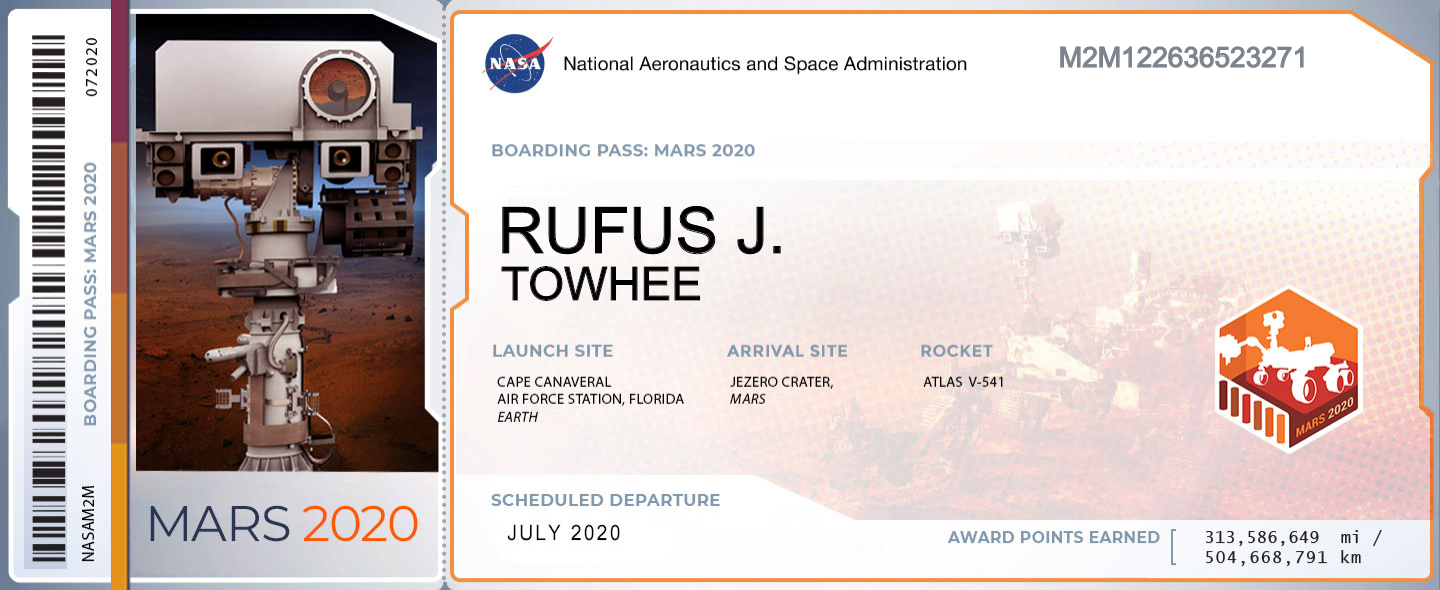
I’m Going to MARS!

NASA’s Mars 2020 Rover is heading to the Red Planet.
Submit your name by Sept. 30, 2019, 11:59 p.m. ET, and fly along!

If I can’t go at least I can let NASA send my name to the red planet.

Send your name to Mars

— Rufus J. Towhee
Rufus J. Towhee’s Boarding Pass

All submitted names are reviewed, approved and then etched onto a microchip. The microchip is placed aboard the Mars 2020 rover, which will land on Mars.

Mars 2020 Rover Build Update

Listen to Radio Astronomy

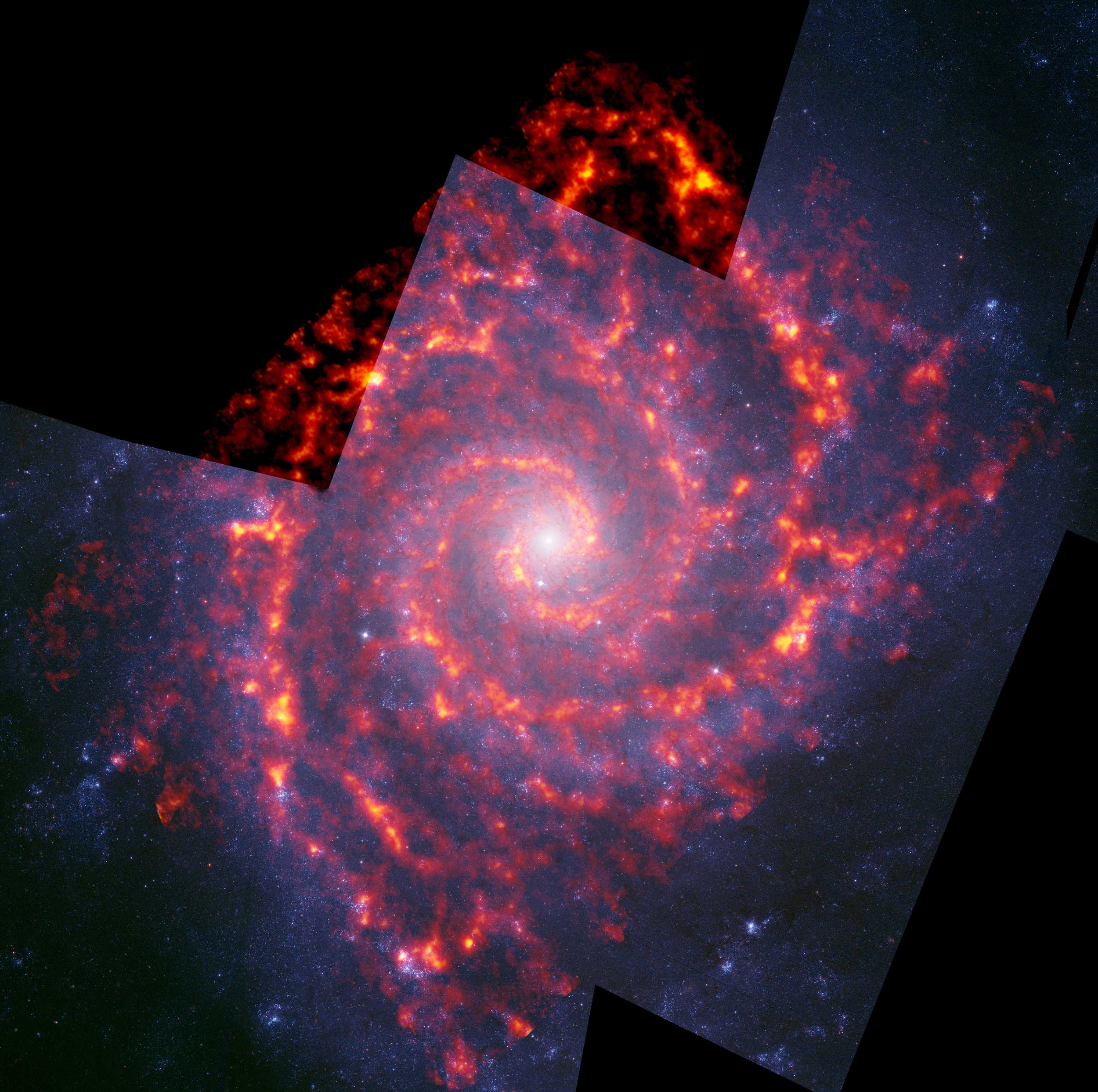
Composite ALMA (orange) and Hubble (blue) image of NGC 628, also known as Messier 74, a spiral galaxy in the constellation Pisces, located approximately 32 million light-years from Earth. It is imaged as part of the PHANGS-ALMA survey to study the properties of star-forming clouds in disk galaxies.

My posts on the Green Bank Radio Telescope has prompted me to wonder just what all this sounds like. As a ham radio operator, N8GMQ, my first thought was to listening rather than the radio astronomy images that we are familiar with like the ones found at the National Radio Astronomy Observatory’s Multimedia Gallery.

The connection with ham radio is interesting. Linking our Lineage: From Radio Operator to Radio Receiver starts with: ” Radio astronomy and amateur radio have a close historical connection… “

So, I have been searching for recordings or live streams from radio astronomy .

JUPITER L-BURSTS

Jupiter L-Bursts sound like ocean waves breaking up on a beach. Much of the L-burst structure is formed as signals travel though the interplanetary medium from Jupiter to the Earth.

I intend to keep looking and adding more sounds as I find them. Stay Tuned! DeN8GMQ 73

300-Foot Telescope Collapse

At 9:43 p.m. EST on Tuesday the 15th of November 1988, the 300-foot telescope in Green Bank collapsed.

The loss of the 300-Foot telescope resulted in the Green Bank Telescope Project.

https://www.nrao.edu/whatisra/hist_300ft.shtml
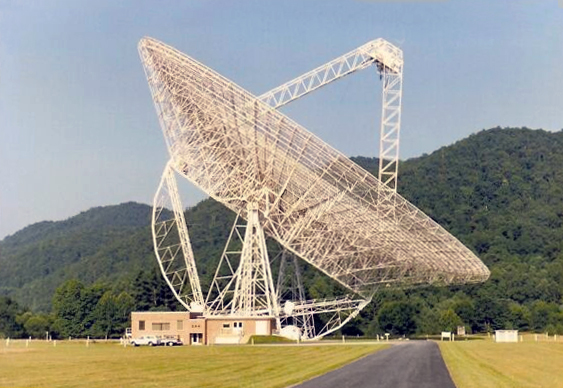
Photograph of the 300-foot radio telescope before the collapse.

At 9:43 p.m. EST on Tuesday the 15th of November 1988, the 300-foot telescope in Green Bank collapsed. The collapse was due to the sudden failure of a key structural element — a large gusset plate in the box girder assembly that formed the main support for the antenna.

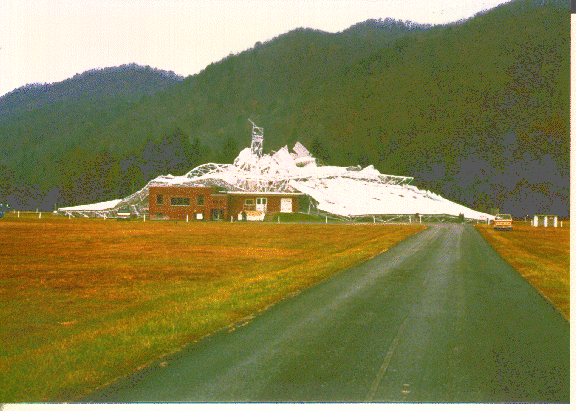
Photograph of the 300-foot radio telescope taken on November 16, 1988.
The telescope collapsed at 9:43 PM on November 15, 1988.

Read about the history in the book:
But it was Fun: the first 40 years of radio astronomy at Green Bank.”

Flying Circus Aerodrome

Open Cockpit Airplane Rides and air Show

Airplane Rides Available before and after the show. Ride tickets can be purchased at the gift shop Rides are available starting at 11:00am, and are sold/given on a “first-come/first-served” basis. Sorry, no reservations accepted. All Aircraft Rides are subject to weather conditions and availability of pilots and aircraft. The Flying Circus reserves the right to deny aircraft rides to any individual who, in the opinion of the Pilot In Command, cannot safely make the flight due to their Size, Weight, Age and/or Physical Condition.

Take a look at the Video Gallery

Just look for the Flying Circus Airport Sign

Directions to the Flying Circus located at
5114 Ritchie Road (Route 644) in Bealeton, VA.
The Flying Circus Aerodrome is located 14 miles SE of Warrenton, VA
and 22 miles NW of Fredericksburg, VA.
We are just off Route 17, at 5114 Ritchie Road (Route 644)
in Bealeton, VA.
Green Bank Telescope

The Robert C. Byrd Green Bank Telescope
Green Bank, West Virginia

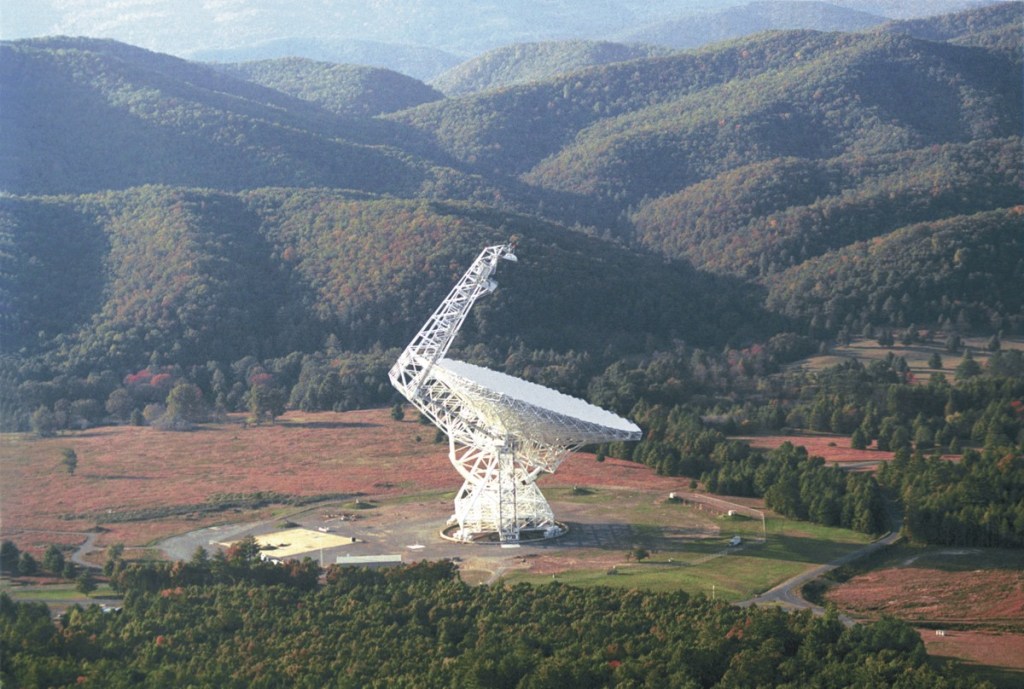
The Robert C. Byrd Green Bank Radio Telescope (GBT) has a collecting area of 2.3 acres (0.93 ha) which focuses the radio waves falling on it onto sensitive receivers at the top of the boom attached to the side.

The Robert C. Byrd Green Bank Telescope (GBT) in Green Bank, West Virginia, US is the world’s largest fully steerable radio telescope. The Green Bank site was part of the National Radio Astronomy Observatory (NRAO) until September 30, 2016. Since October 1, 2016, the telescope has been operated by the newly separated Green Bank Observatory. The telescope honors the name of the late Senator Robert C. Byrd who represented West Virginia and who pushed the funding of the telescope through Congress.

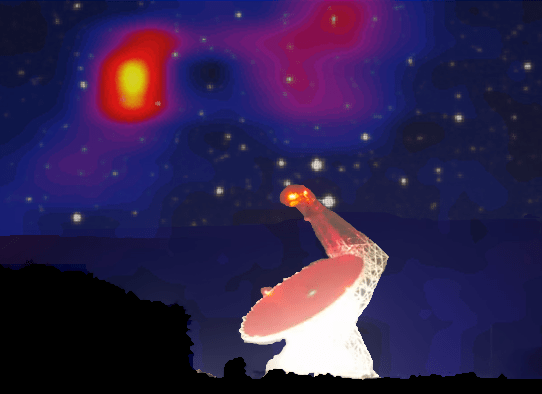
Composite image of a spectral line observation of star forming region W51, showing the distribution of ammonia in the region. The image of the telescope from a time lapse film of a night of observations

The Green Bank Telescope operates at meter to millimeter wavelengths. Its 100-meter diameter collecting area, unblocked aperture, and good surface accuracy provide superb sensitivity across the telescope’s full 0.1–116 GHz operating range. The GBT is fully steerable, and 85% of the entire local celestial hemisphere is accessible. It is used for astronomy about 6500 hours every year, with 2000–3000 hours per year going to high-frequency science. Part of the scientific strength of the GBT is its flexibility and ease of use, allowing for rapid response to new scientific ideas. It is scheduled dynamically to match project needs to the available weather. The GBT is also readily reconfigured with new and experimental hardware. The high-sensitivity mapping capability of the GBT makes it a necessary complement to the Atacama Large Millimeter Array, the Expanded Very Large Array, the Very Long Baseline Array, and other high-angular resolution interferometers. Facilities of the Green Bank Observatory are also used for other scientific research, for many programs in education and public outreach, and for training students and teachers.

Texas Transportation Museum

Keeping Transportation History Alive
In San Antonio, TX Since 1964.

The Texas Transportation Museum has something for everyone!

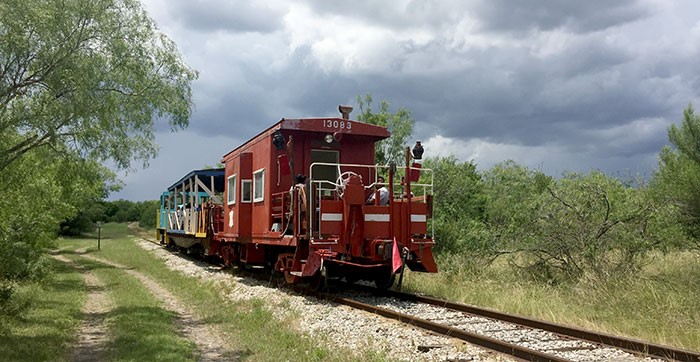
In June of this year I was in San Antonio, Texas for Webucator to teach a HTML class at Fort Sam Houston. Being a “Rail Fan”, I was happy to visit this museum and take a ride on their railroad.

Enjoy a ride !
The cost of the short train ride is included in the price of admission

“The Texas Transportation Museum is a volunteer led organization that collects, preserves and displays historically significant transportation equipment and related items. We operate a working passenger railroad, several model train layouts and many road vehicles. We provide an educational and entertaining experience which interprets how developments in transportation technology shaped and continue to impact daily life.”

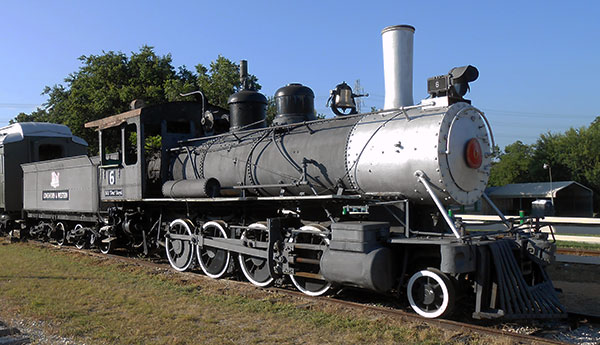
1911 Baldwin 2-8-0 Steam Locomotive

“#6” is a Baldwin 2-8-0 steam locomotive acquired new by the Moscow, Camden & San Augustine Railroad owned by the W.T. Carter & Brother company to to move fresh cut lumber in East Texas. The company was known to add a passenger car at the rear of the train during the summer to provide rides for locals and tourists. It cost fifty cents to travel the seven miles of the MC & SA. #6 stayed in operation until the mid 1950s. It was found, with other abandoned MC & SA steam locomotives, by museum volunteers in the early 1970s. Hopes that it could be returned to active service proved unfounded – its boiler and fire box are too far gone. It would require a frame-up restoration which would cost well over $10 million. But its second life as a static display is not without its value. It is seen and photographed by tens of thousands of people every year.

Cass Scenic Railroad

Cass Scenic Railroad State Park has some of West Virginia’s most popular attractions, including a heritage railroad, authentic company town and more.

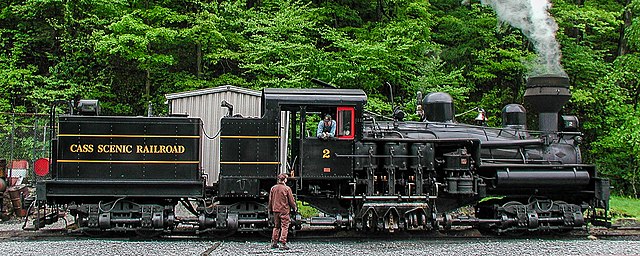
Shay Steam Engine #2 of the Cass Scenic Railway, getting up steam, Cass, WV USA on May 16, 2003.

Catch a ride on Cass Scenic Railroad State Park’s main attraction, a train ride to the overlook at Bald Knob. Bald Knob is the third highest point in West Virginia, making for a breathtaking views and amazing photos. The Durbin Greenbrier Valley Railroad operates scenic trains from historic downtown, including a 4.5-hour round-trip ride to Bald Knob and a two-hour round-trip excursion to Whittaker. Train excursions are available Tuesdays through Sundays, plus several special events throughout the year.

Design a site like this with WordPress.com
Get started